
Sub Soil Drainage Services in Sydney
$0 Callout
Express Booking Guaranteed 24 Hours
$50 off Online Bookings

Get a quick quote
Plumbing Discounts & Offers Available Now
Prevent water damage with professional sub-soil drainage solutions. The Clean Plumber offers expert installation and maintenance—visit our specials page to learn more.
Expert Drainage Solutions for Your Sydney Property
In Sydney, heavy rain, clay soils and sloping blocks cause groundwater to build up quickly around your home and local drainage. Without proper subsoil and stormwater drainage solutions, that water damages foundations and walls and seeps into lower levels, like the basement, leading to costly repairs.
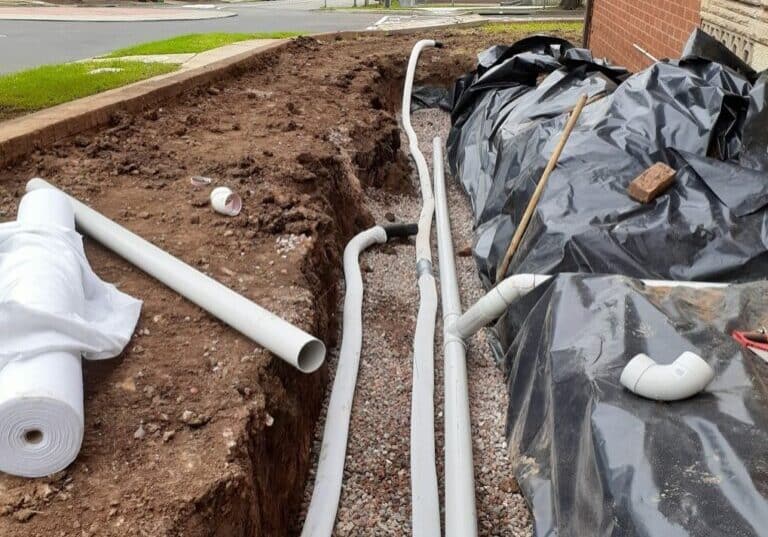
At The Clean Plumber, our drainage plumbers design each stormwater drainage system considering the property layout, soil type, levels and existing stormwater drains in the area. That might be underground perforated pipes for collecting groundwater, gravel trenches, or French drain systems to intercept groundwater before it reaches your house or plumbing system and causes property damage.
With professional installation in place, everything works as one smooth system. Trenches need to be dug on the right slope, storm water pipes of the correct diameter have to be installed and outlets should be connected to the required points.
This gives you better water flow and pressure, meaning fewer stormwater drainage problems during Sydney’s wet spells and long-term protection for your home and surrounding properties.
Over 41,000 Jobs Completed
★★★★★
Rated 5 Stars on Google!
What do our customers have to say about The Clean Plumber?
Our 5-Star Google Reviews Speak For Themselves!


I had a fantastic experience with Clean Plumbing in Kellyville. Thanks Kevin, from the first call to the completed job, their service was professional, prompt, and stress-free. The plumber arrived on time, clearly explained the issue, and fixed it efficiently with no mess left behind. Pricing was fair and transparent, which I really appreciated. It’s refreshing to deal with a local business that genuinely cares about quality and customer satisfaction. Highly recommend Clean Plumbing to anyone in Kellyville looking for reliable, honest plumbing services!



Job was done efficiently and quickly and Isaac showed me on the camera that the sewer line was now clear of any obstructions. Polite and efficient will definitely use again.



5 stars isn’t enough!

We also offer a LIFETIME warranty on all labour!

Signs You Need Sub Soil Drainage
During rains, Sydney gets heavy downpours and long wet spells and has a lot of clay soil, so there’s abundant water stored in the ground. Burst pipes can also lead to this problem. If you notice any of the signs below, it usually means water is building up around your home instead of passing away through the stormwater system.
Why Should You Contact The Clean Plumber?
When you call The Clean Plumber, you know where you stand from the start. We value our customers and are known for our exceptional service. Our team arrives on time and offers fast and effective solutions in case of plumbing emergencies, drainage problems, or even maintenance services. You get an upfront, obligation-free quote and a $0 call-out fee, so there are no surprises. The pricing is explained before any work begins, with clear options so you stay in control of the job and the budget.
We focus on quality, not quick shortcuts. Our subsoil drainage, stormwater drainage and other plumbing work are guaranteed to last, using practical solutions and high-quality materials that protect your property over the long term. Cheap drainage plumbers often quote a low price at the start and then keep adding on extras once they are on-site, which proves to be quite expensive. Our licensed drainage plumbers do the opposite. We inspect thoroughly, create detailed reports, explain the cause of the problem, outline your choices and stick to the agreed scope, backed by guaranteed workmanship.
We’re fully licensed and insured, and our plumbers work to Australian standards such as AS/NZS 3500 for both residential and commercial properties. You can confirm any licensed drainage specialist on ABN Lookup and check whether they are a registered business, carry public liability insurance and provide compliance certificates when required.
Our customer-centric approach and prompt services have helped us build a strong reputation. With more than 40 years in Sydney, 500+ 5-star Google reviews and recognition as one of NSW’s best plumbers by Masters Plumbing NSW, The Clean Plumber is a trusted choice for both residential plumbing needs and commercial drainage services across the city.
Our Sub Soil Drainage Services in Sydney
The Clean Plumber installs and maintains subsoil drains and stormwater drainage solutions across Sydney to manage excess groundwater and protect homes from quiet, slow damage.

Site inspection and drainage planning
We look at yard levels, soil type, existing drains and symptoms like pooling near paths or damp walls. Drain inspections can include CCTV drain cameras to find the exact location of blockages in stormwater pipes. Drain cameras prevent unnecessary digging and minimise disruption.

Perimeter and footing drains
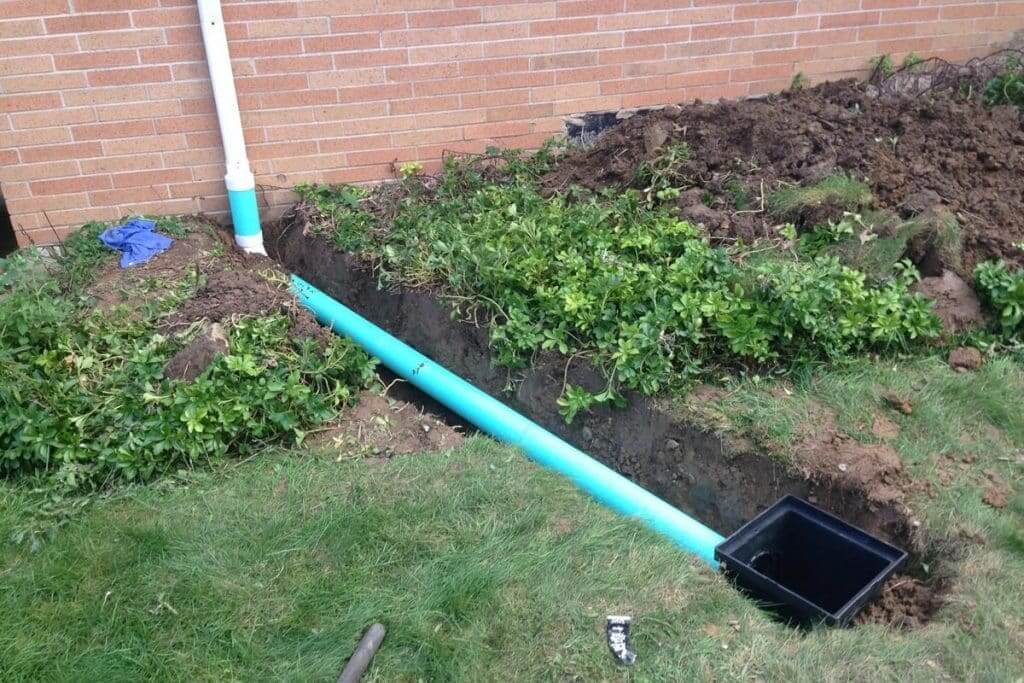
We get a subsoil drain system installed around the base of your home to catch groundwater before it reaches the foundations. This helps relieve pressure on slabs and footings, reduces the risk of structural damage and keeps the area around the house dry and safe for your plumbing system.

French drain-style gravel trenches
Perforated pipe is laid in gravel trenches to intercept water moving through the soil. These are commonly used along foundations, fences or low garden areas that stay wet after rain and can be tied into the stormwater system so the ground doesn’t store water around or below the house. We also use a pipe relining system to fix blocked drains and repair subsoil drainage pipes.

Wall and garden drainage
Drains are placed behind retaining walls and in garden beds to stop storm water building up and pushing on structures. This reduces cracking and water staining on walls and helps protect properties and landscaping from long-term structural issues.

Under house and subfloor drainage
In homes with subfloors or under-house spaces, subsoil drainage is used to lower moisture levels, reduce damp and help prevent mould in these lower areas. This support for drainage also helps in preventing leaks and unpleasant odours in connected areas of the plumbing system.

Yard and backyard drainage improvements
We improve how lawns, paths and outdoor areas dry out by adding subsoil drains in soft, boggy zones, often alongside surface drains and local stormwater drains. This makes yards more usable after rain and helps protect landscaping and outdoor areas from extensive damage.

Long-term performance and preventative maintenance
Properly designed and installed subsoil drainage gives your home a better chance against Sydney’s rains, keeps outdoor areas more comfortable to use and supports the long-term stability of your property. Regular maintenance like drain cleaning and occasional high-pressure water jetting where needed, helps keep everything running smoothly.
Want the best subsoil drainage services for your home or commercial properties in Sydney? Fill out our online enquiry form today.
Types of subsoil drainage systems
Subsoil drainage (also called subsurface drainage) removes excess water and excess moisture from the ground to protect your yard and your home’s foundation. Common systems include:
These systems use subsoil drainage pipes, underground pipe and drainage pipe types chosen for your soil type, slope and the amount of water to remove.

How to Decide Which System is Best for You
Choosing the right sub soil drain depends on site conditions, not a one-size-fits-all answer. We assess:
The Clean Plumber’s qualified team inspects the affected area, tests drainage and water table, then recommends a cost-effective solution, from a simple drainage pipe and gravel trench, to mole drainage or a pumped system. We aim for minimal disruption, protect your soil and plants and maintain structural integrity.
Benefits of Subsoil Drainage Installation
Installing a subsoil drainage system offers many benefits:
Removes excess ground water and surface water from your property.
Prevents standing water, soggy lawns and garden damage.
Protects your home’s foundation and structural components from water intrusion.
Reduces risk of soil erosion and improves soil health.
Increases aeration in soil for healthier plants and better growth.
Prevents flooding and water damage to outdoor and indoor areas.
Provides a long-term solution to recurring poor drainage and water intrusion issues.
The Clean Plumber’s Subsoil Drainage System Installation Process
Site inspection
check slope, soil and where water builds up.
Design
pick the right system (perforated pipes, mole drains, interceptor, or pump).
Locate services
find existing pipes, utilities and other structures.
Excavate trench
to correct depth and slope for good flow.
Prepare bed
add coarse gravel or sand for drainage and increased aeration.
Lay pipe
place perforated pipes or slotted pipe, wrapped if needed to stop sand and debris entering.
Backfill and cover
cover pipe with gravel, geotextile or porous material, then backfill and reinstate surface.
Outlet and test
connect to stormwater or soakwell, test flow and check no standing water.
Maintenance advice
how to keep drains clear and when to inspect to avoid future problems like soil erosion or water damage.
If your property has poor drainage, standing water, or risk of flooding, contact us today for an inspection. We’ll explain options, provide upfront pricing and install a system that removes water, protects your home’s foundation and reduces future repair risk.
Meet Our Team

Alex
Plumbing Supervisor

Jayden
Plumber

Tanaka
Plumber

David
Plumber

David
Plumber

Harry
Plumber

Ahmed
Plumber

Wayne
Builder

Ben
Plumber

Billy
Plumber

Nick
Plumber

Marley
Plumber

Archie
Plumber
Contact The Clean Plumber Today!
Don’t let water damage compromise your property. Speak to the experts at The Clean Plumber for professional sub soil drainage solutions.
Check our service areas and reach out today for quality plumbing solutions!
Related Blogs
How Long Does PVC Pipe Last in Concrete?
PVC (Polyvinyl Chloride) piping is one of the most commonly used materials in residential, commercial, and civil plumbing projects across Australia, particularly in pvc piping systems . Whether it is…
How to Clean Bathtub Drain?
Maintaining a clean bathtub drain, especially a clogged bathtub drain, is a crucial aspect of preserving the hygiene and overall functionality of your bathroom. Over time, it’s common for bathtub…
Are Gas Heaters Safe Indoors?
During the colder months in Australia, many households rely on gas heaters to maintain a warm and cosy home environment, making gas heater safety a crucial consideration . While gas…
Frequently Asked Questions
Sydney has a lot of heavy clay soil that holds water instead of letting it permeate deep under. Intense storms, uneven ground levels, sloping blocks, and older or blocked drains make it even worse. This results in water collecting around foundations and in your lawn instead of flowing into the stormwater drainage system.
Common signs include water pooling even days after rain, lawns that stay wet throughout, new cracks in walls or floors, musty smells indoors, mould on lower walls and soil washing away near the house, sometimes along with localised blocked drains or foul odours.
Yes. Subsoil drainage collects underground water and carries it away through buried pipes before it reaches the surface. This keeps yards, garden beds and paths much drier after heavy Sydney rain and supports the overall stormwater drainage around your property.
Often they do. Many older homes were built without proper drainage in mind. With today’s weather patterns and reactive clay soils, subsoil drainage is an important way to protect foundations, reduce rising damp and structural damage, and avoid costly repairs to the plumbing system and building structure.
In most cases, you do not need council approval to install subsoil drainage on your own land. Approval is usually only needed if the system discharges directly into council stormwater drains. A licensed plumber or drainage specialist can confirm local regulations and handle any paperwork for your area.
Subsoil drains are usually placed along house footings, behind walls, in low garden areas, around basements and under the home. The aim is to intercept underground water and direct it safely away from key structures and local drainage points so the stormwater system can carry it away.
Yes, it certainly does. It lowers the groundwater level and relieves pressure behind the wall. Subsoil drainage helps stop water from pushing through walls or seeping into basements, which reduces leaks, dampness and long-term damage to these areas and limits disruptions caused inside the home.
Surface drainage deals with water you can see on top of the ground using falls, gutters and open channels that link into the stormwater drainage system. Subsoil drainage targets water in the soil itself, using buried pipes and gravel trenches so it is removed before it appears on the surface or affects foundations.
Systems should be checked every one to two years and after major storms. Regular inspections of the drain and preventative maintenance help pick up blockages, damage or silt build-up early so the stormwater drains keep working properly and help you avoid serious damage or a drainage emergency.
Yes. Tree roots are attracted to moisture and can grow into joints or small cracks in the pipes. Over time, they can block the line or lead to burst pipes, which stop the stormwater drains from functioning properly and may require drain cleaning, pipe relining or installing a new pipe to restore smooth operation.